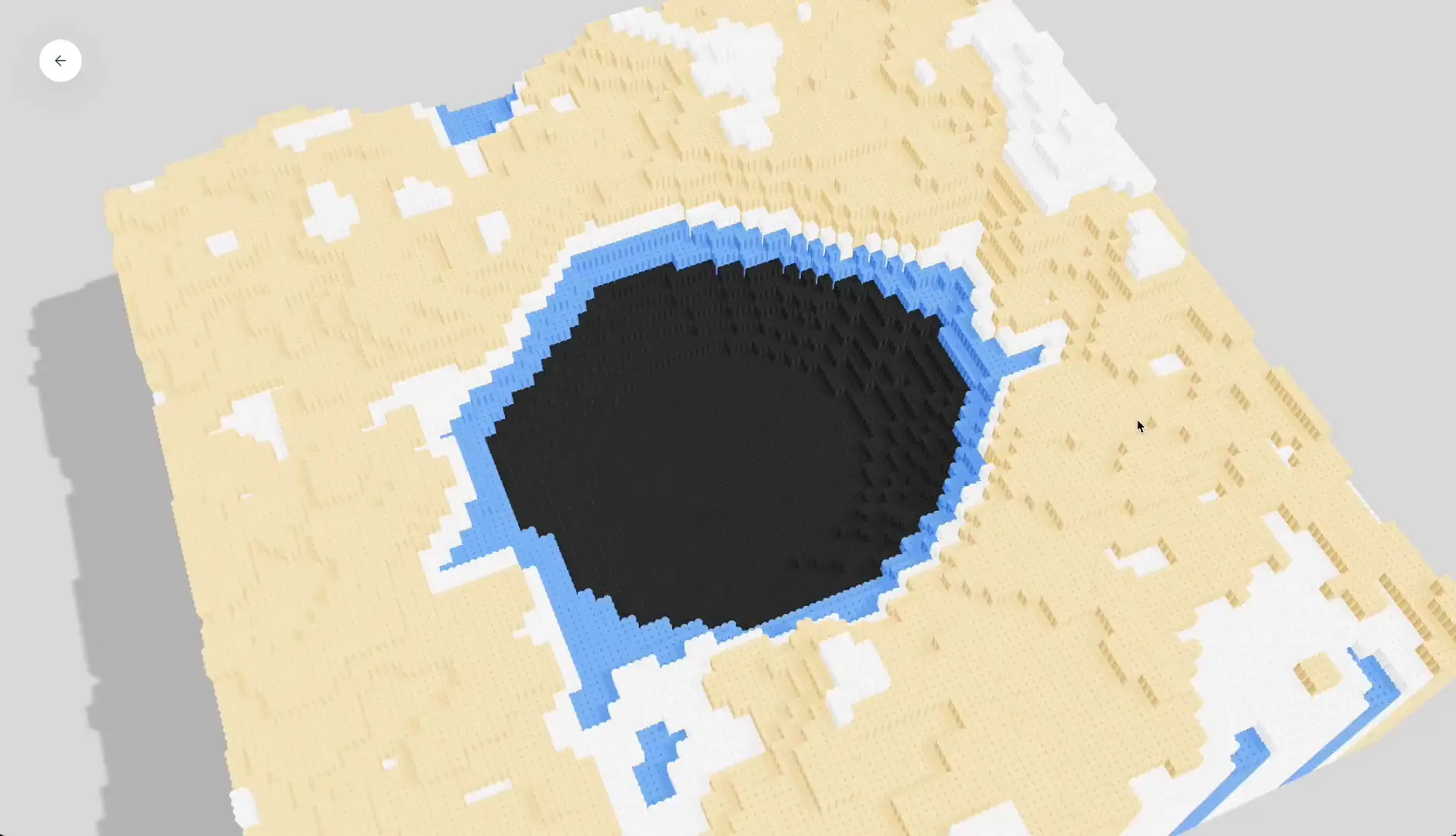
Sketchbook Collects Browser 3D Experiments Vipin Pathak’s ThreeJs Sketchbook is a personal collection of digital art and browser 3D work, built as a place for experiments rather than a standard portfolio.
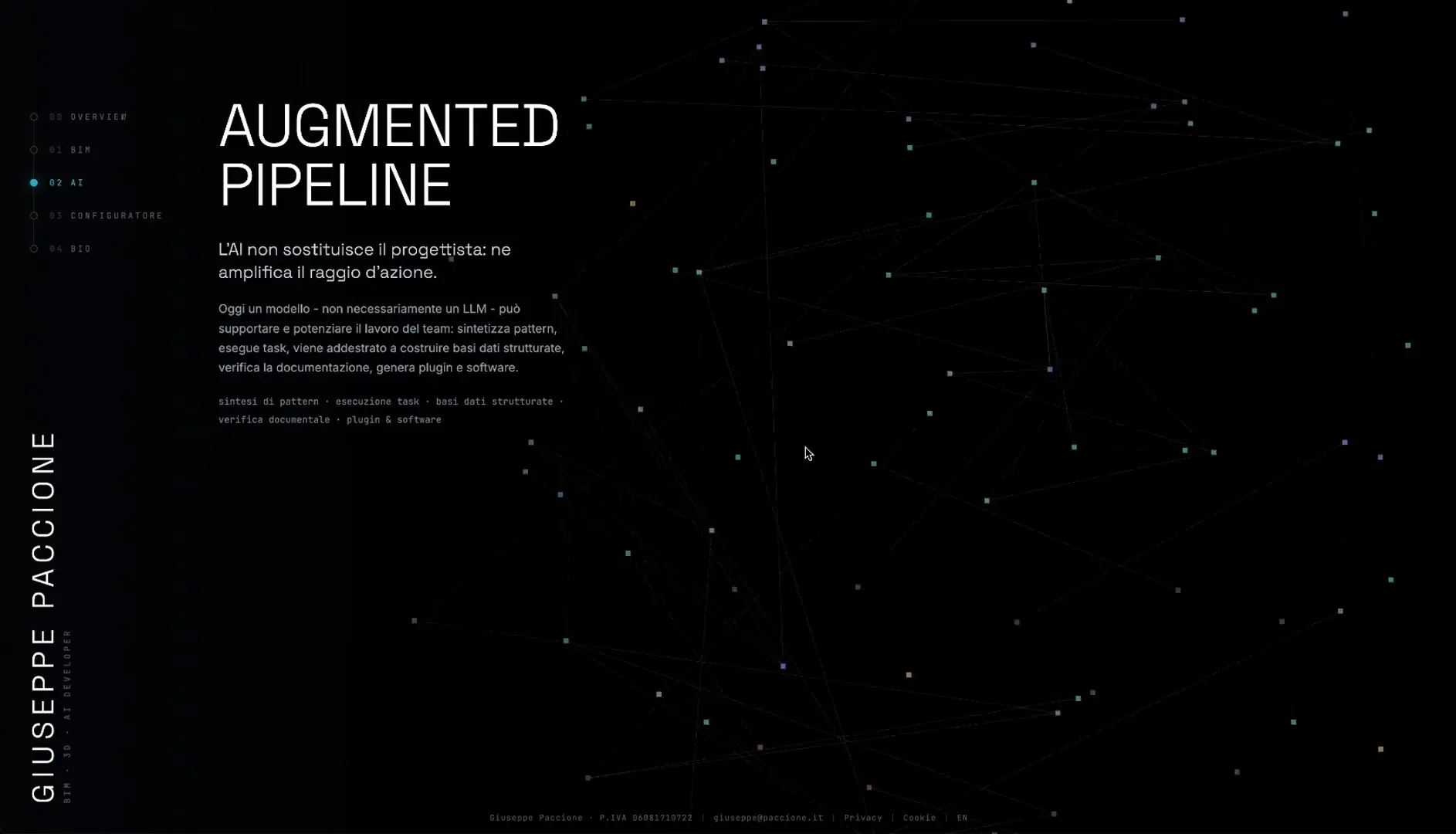
Giuseppe Paccione Turns a Portfolio Into a 3D Configurator Giuseppe Paccione’s site is a real-time 3D interior portfolio-configurator with BIM, AI, authored textures, path tracing preview, LOD choices, and material controls.
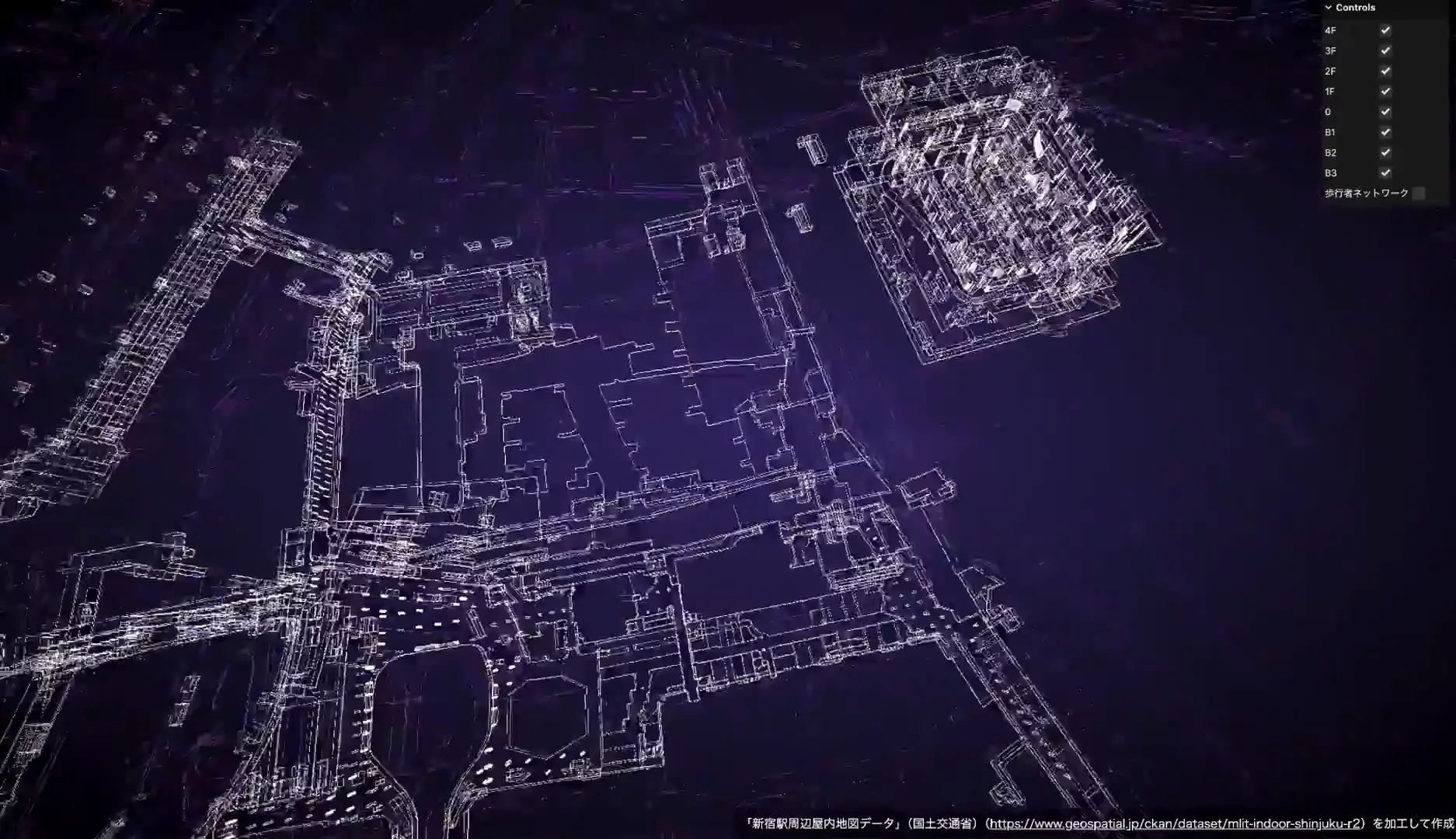
Shinjuku Station Indoor Turns Tokyo’s Maze Into a Three.js Map Satoshi Komatsu’s Three.js viewer turns open indoor map data for Shinjuku Station into a layered 3D wireframe, with floor toggles and pedestrian-network controls for reading Tokyo’s famous maze.
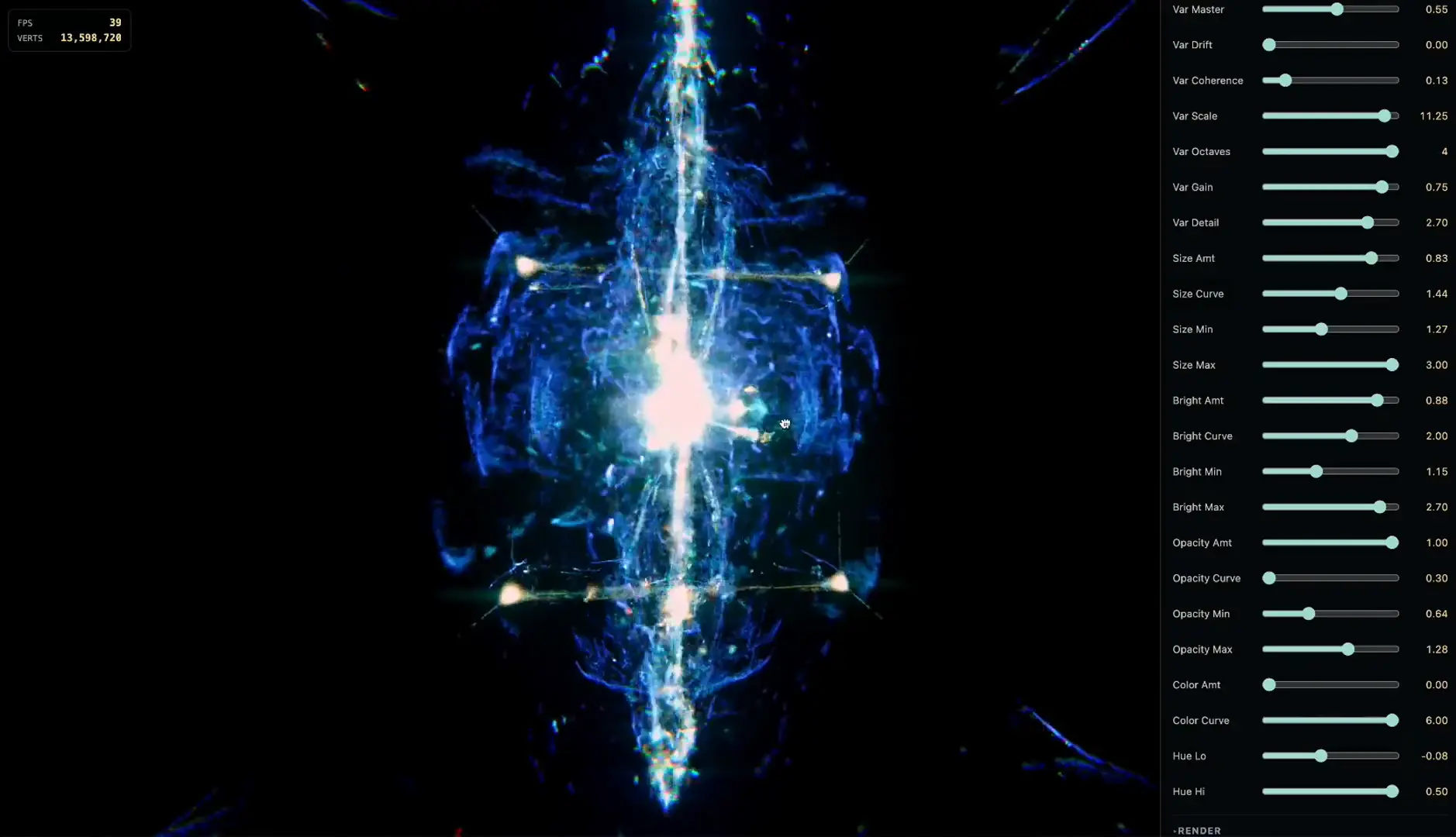
3D Life Sim Turns Artificial Life Into a WebGPU Instrument Aaron Lemke's 3D Life Sim is an open-source WebGPU particle life simulation with live audio input, MIDI mapping, presets, and cockpit controls for exploring emergent forms.
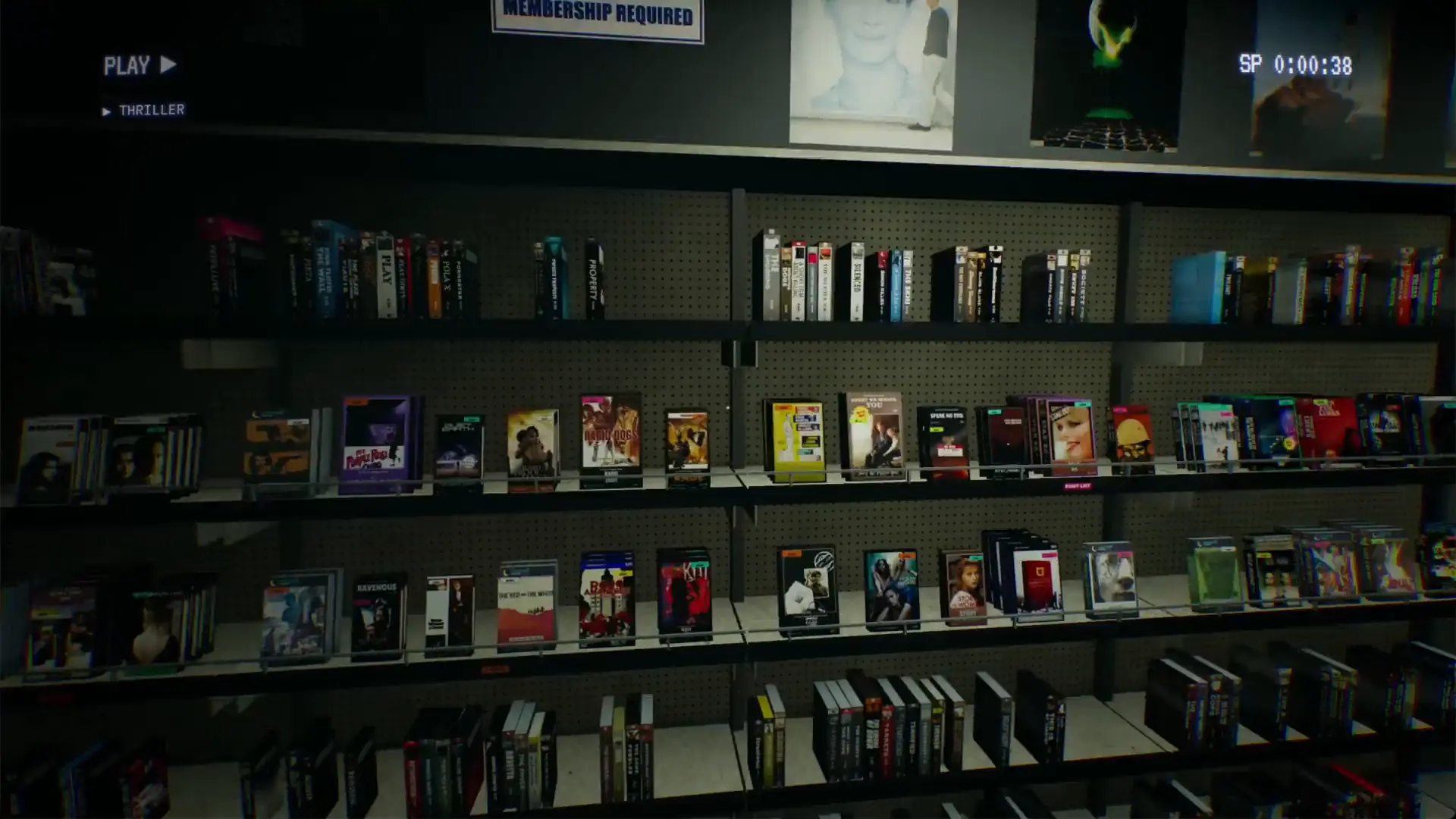
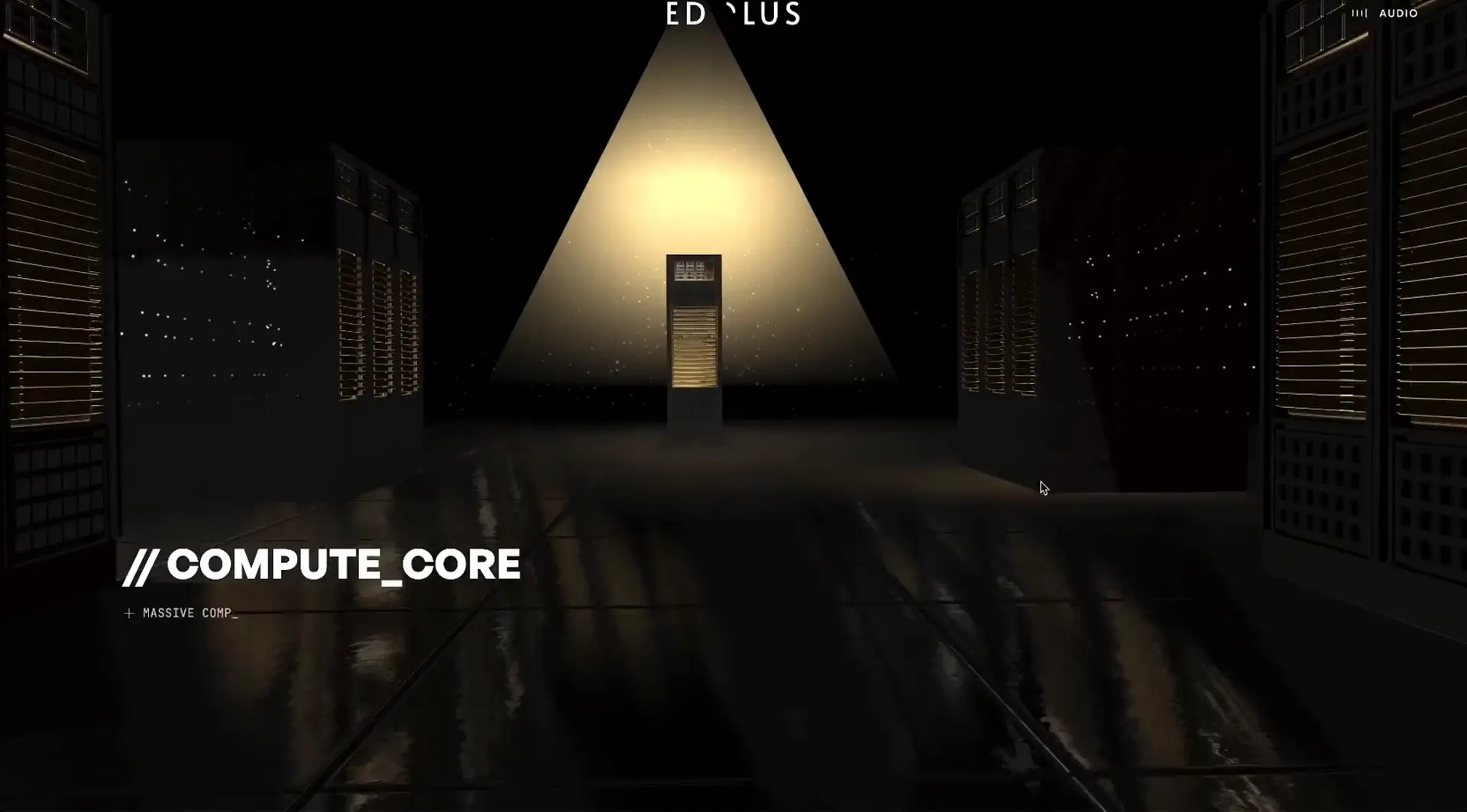
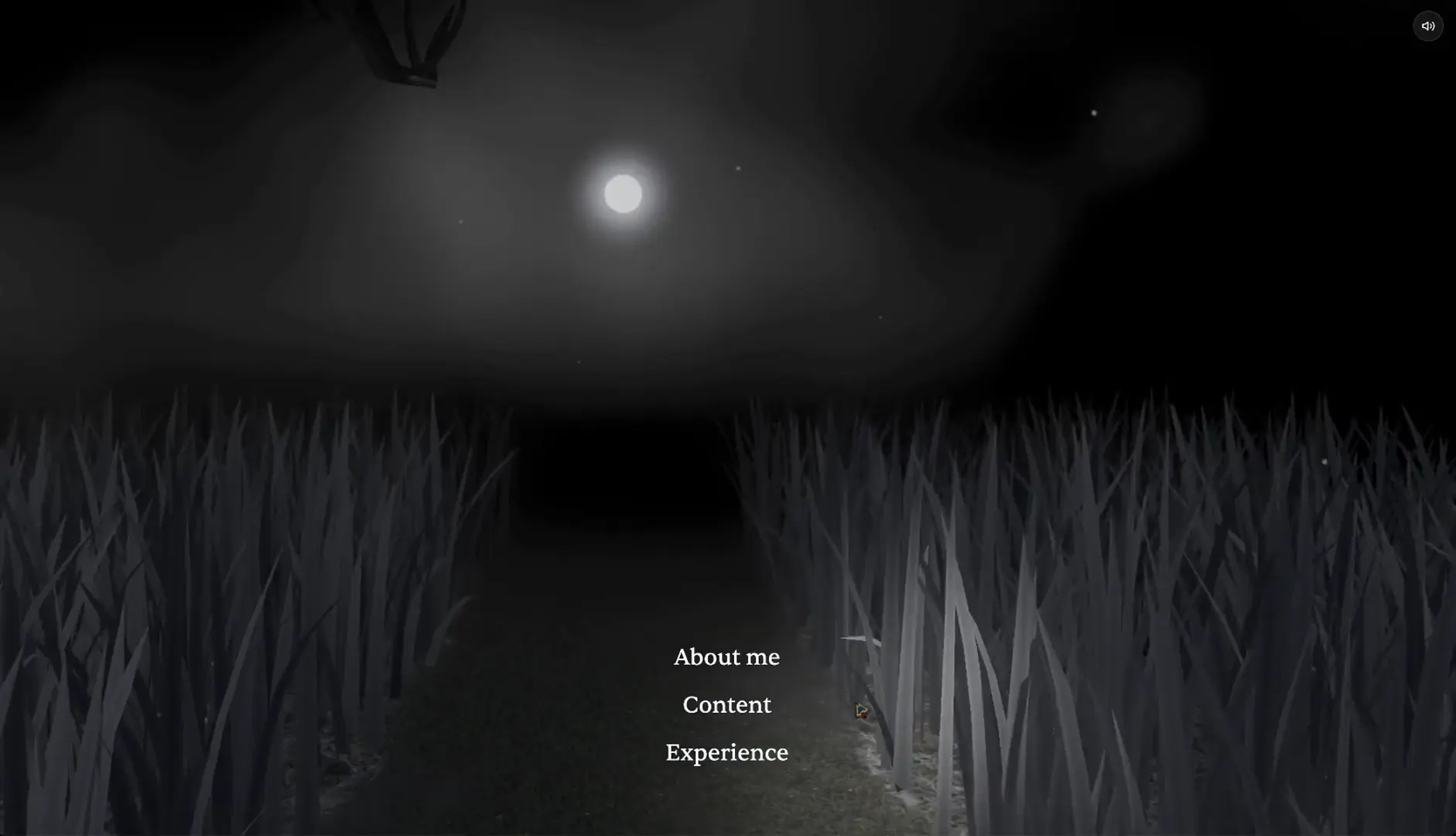
Artisans d'Idées: Treats Shadow as a Material Open Artisans d'Idées and you get a black screen with one instruction: click to illuminate. What follows is a horizontal Three.js journey rendered almost entirely in shadow, with audio coupled to camera state instead of a clock. Built by Paris studio Immersive Garden. Worth opening devtools for.
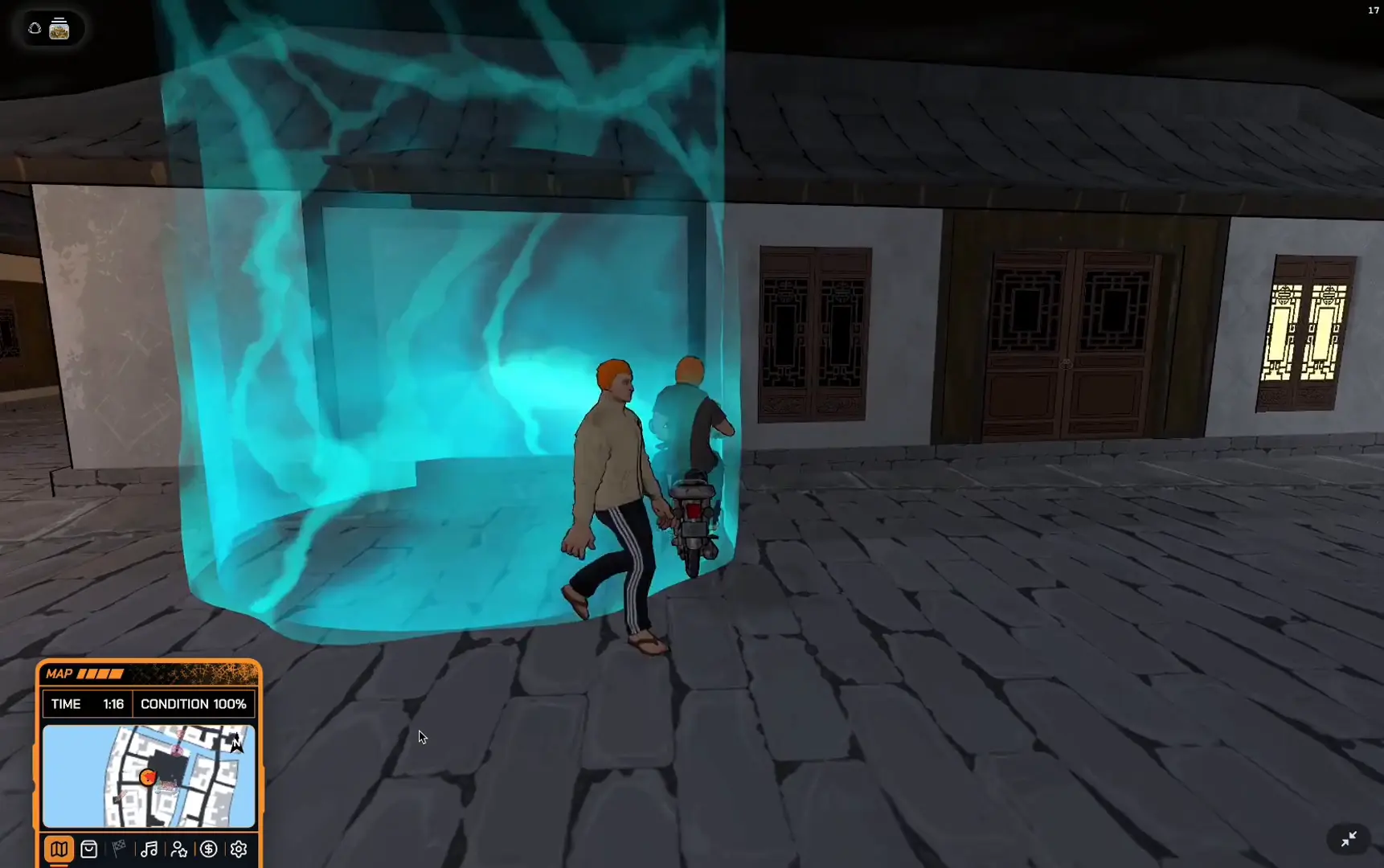
Moped Mayhem Turns Food Delivery Into Browser Racing Chaos Evan Poliquin's Moped Mayhem is a browser multiplayer delivery/racing game built with Three.js, Rapier physics, websockets, culling, LODs, and a dense city to learn badly at speed.
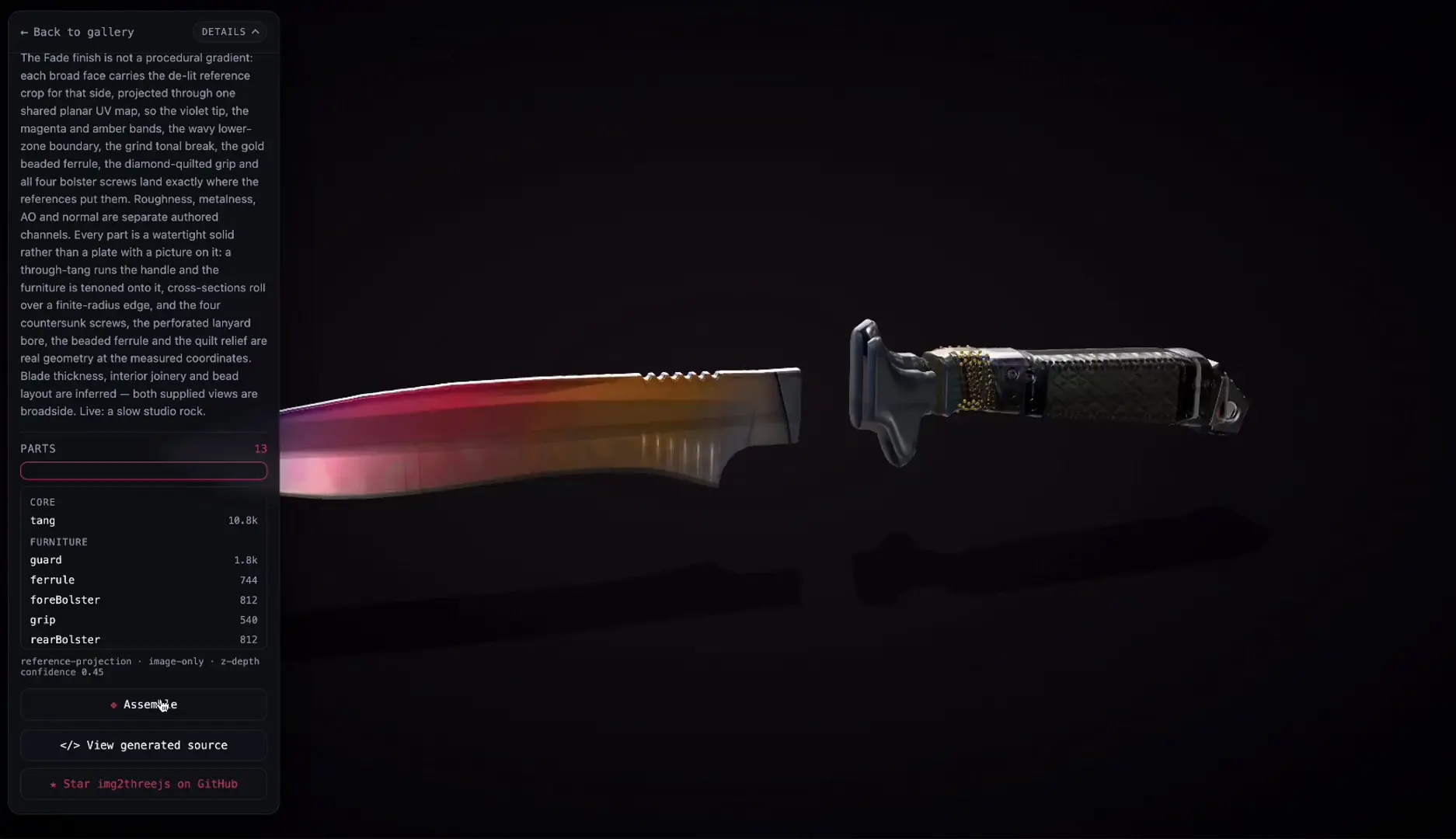
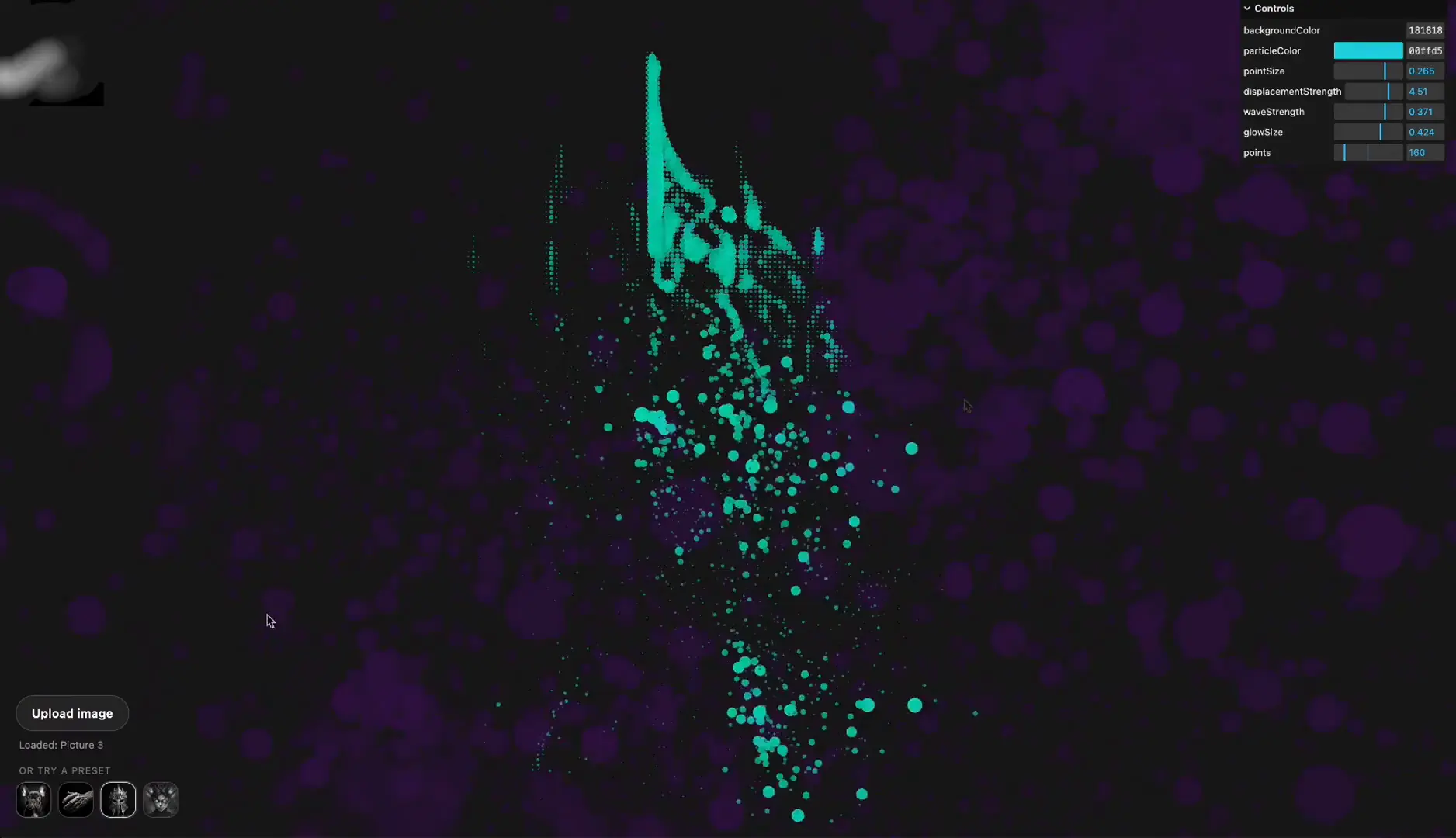
img2threejs Turns One Photo Into Procedural Three.js Code Hoài Nhớ's img2threejs rebuilds an object from one reference image as procedural, animation-ready Three.js code, with v1.3 improving geometry reconstruction and material generation.
Liminal Blends Two Paths Into One WebGL Visual Manish Dhaka’s Liminal is a compact WebGL visual experiment about blending two different paths into a seamless shared transition.
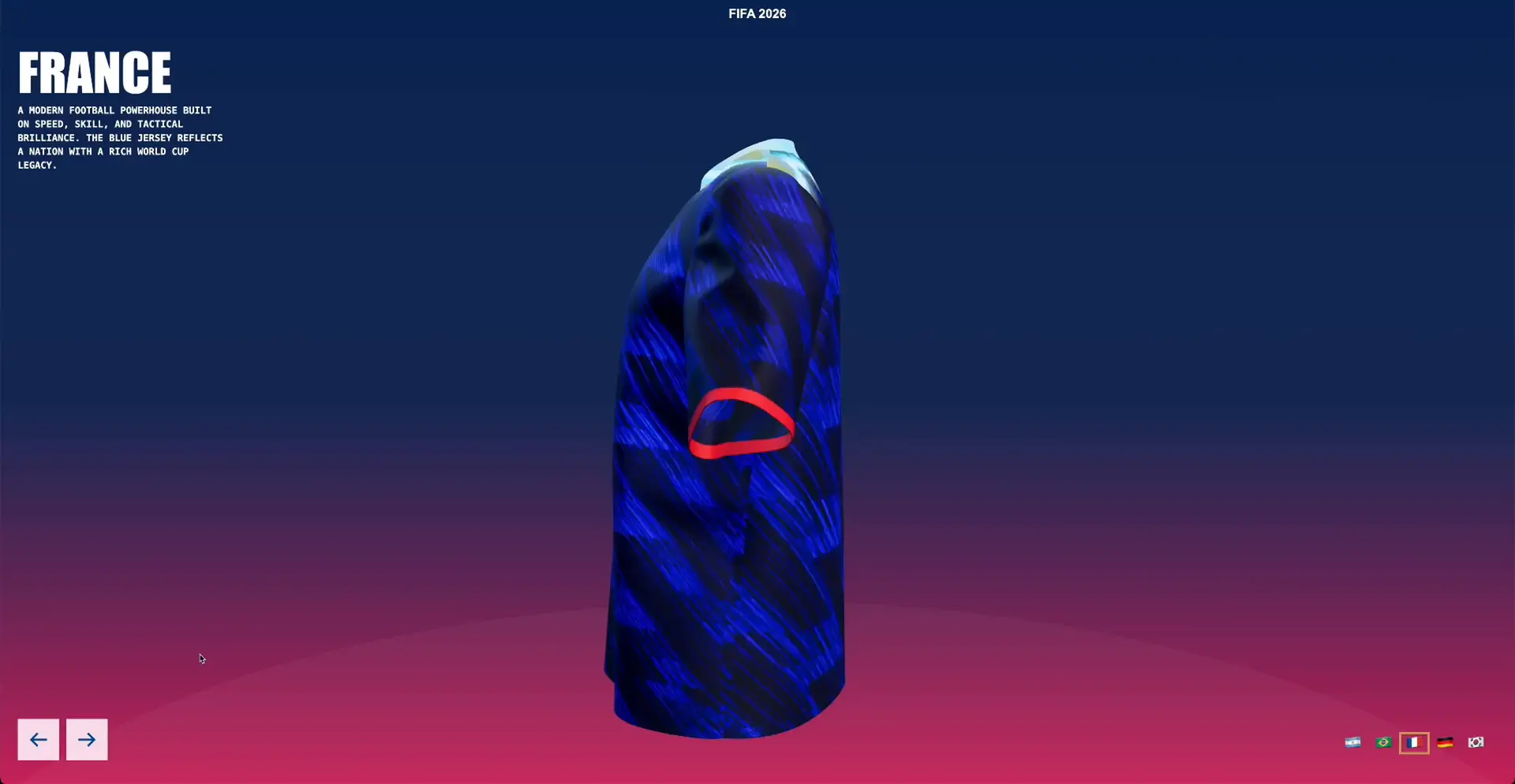
Interactive WebGL Jersey Slider Blends Team Kits in 3D Prity Dhara’s Three.js jersey slider uses one 3D model, shader-based texture transitions, fabric movement, and GSAP motion to make kit changes feel physical.
WASI-WebGPU 0.3 RC Takes GPU Compute Beyond the Browser The Phase 2 wasi:webgpu proposal has a 0.3 release candidate, mapping WebGPU-style GPU access into WASI for portable, sandboxed compute across servers, desktops, Android, and the web.
glTF 2.1 Aims At Complex Scenes, Not Just Single Assets Khronos is planning glTF 2.1 as a backward-compatible update focused on large composed scenes, external assets, packaging, BVHs, thumbnails, and 64-bit GLB files.
Redraw Brings WebGPU Shaders to 2D Paths William Candillon’s Redraw explores WebGPU-native 2D path rendering, with programmable Bézier geometry, variable stroke widths, vector feathering, and TypeScript shader functions.